

Jobs That AI Will Replace — Careers Safe from AI in the Future of Work


And the One Skill That Will Keep
You Employed As artificial
intelligence reshapes the future of
work, many people are searching
for jobs that AI will replace—and
more importantly, careers safe from
AI.
At some point, almost everyone
asks the same uncomfortable
question:
“Will AI take my job?”
You might ask it quietly, at night,
scrolling through news about
ChatGPT, automation, and layoffs.
Or maybe you joke about it with
colleagues—half-laughing, half-
worried.
But here’s the truth most people
avoid:
This is not a future problem.
It’s already happening.
The AI Job Disruption Is
No Longer a Prediction
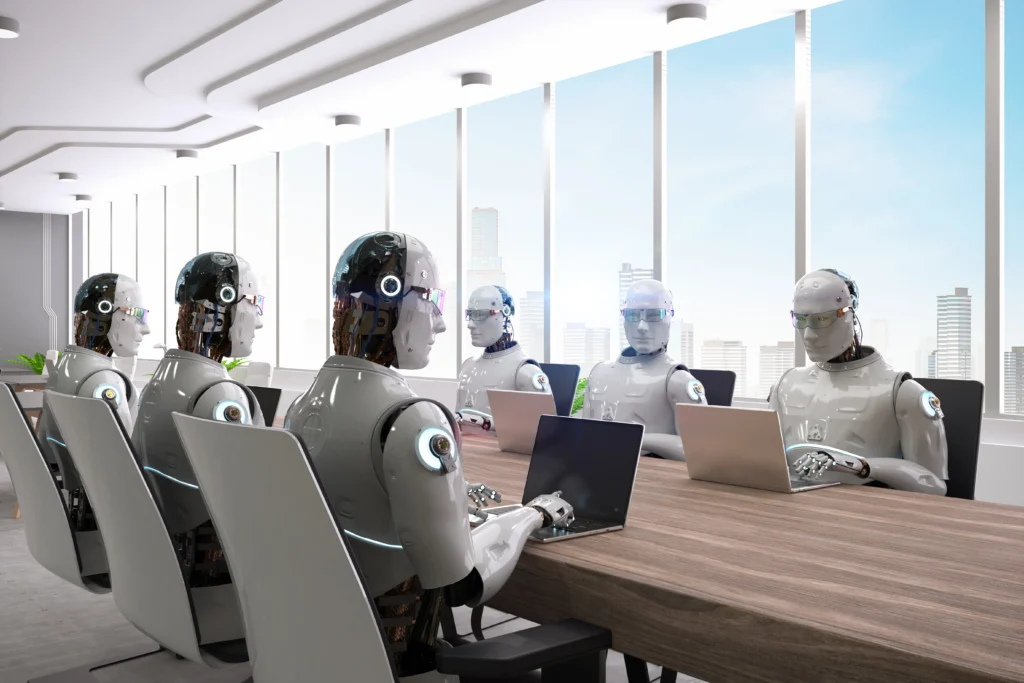
Artificial intelligence is no longer
limited to research labs or tech
demos. It is actively reshaping labor
markets—fast.
According to a 2023 report by Goldman Sachs,
“Generative AI could expose up
to 300 million full-time jobs
globally to automation.”
Let that number sink in.
Not in 20 years. Not “eventually.”
Within this decade.
The World Economic Forum (WEF)
reinforces this in its Future of Jobs
Report 2023, estimating that:
- 23% of current jobs will change
by 2027 - 83 million jobs may be displaced,
while 69 million new ones are created

Jobs Most Likely to Be Replaced by AI
AI doesn’t “hate” jobs.
It replaces tasks—especially those
that are:
- Repetitive
- Rule-based
- Predictable
- Easy to standardize
That’s why many white-collar roles are surprisingly vulnerable.
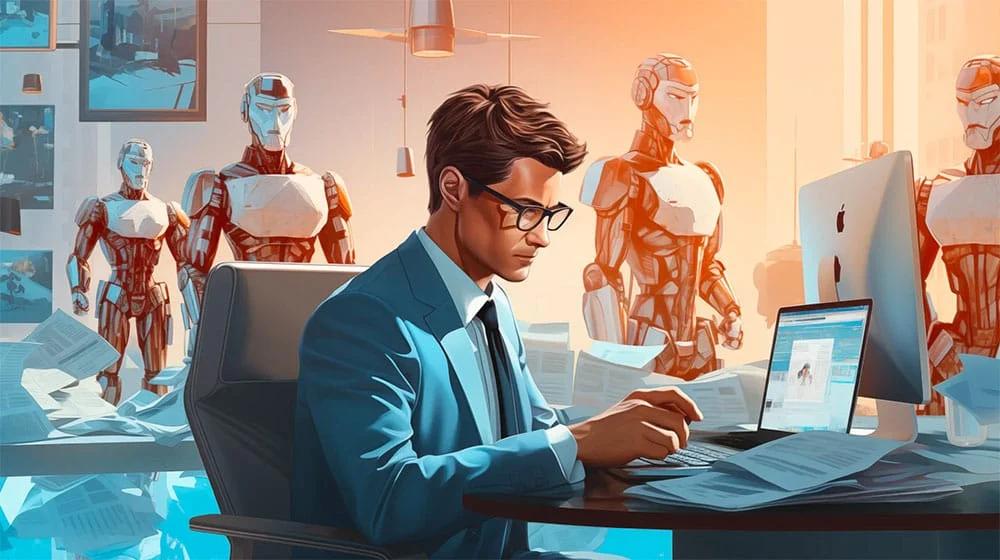
AI가 대체할 직업 — jobs that AI will replace
🔻 High-Risk Job Categories
Based on analyses from McKinsey
Global Institute, OECD, and MIT
CSAIL, the most exposed roles
include:
- Data entry and administrative
clerks - Bookkeeping and basic
accounting - Customer support and
call-center roles
Paralegals handling document review - Routine content writing and
translation - Junior-level analysts producing
standardized reports
These jobs rely heavily on pattern recognition and predefined workflows—exactly what AI excels
at.
In short:
If your job can be clearly
explained step-by-step,
AI is already learning it.
The Jobs That Are Safe from AI (For Now)
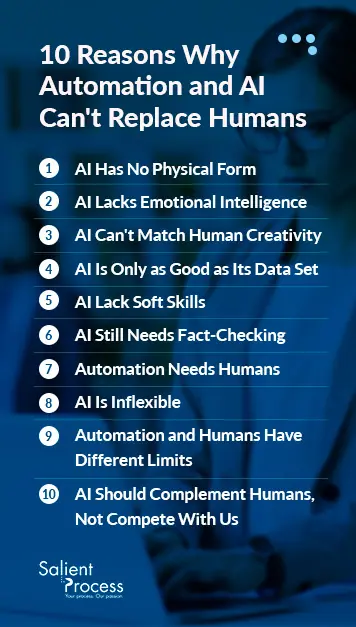
Now here’s the part most headlines
get wrong. AI is powerful—but it
has fundamental limits.
According to MIT researchers,
current AI systems struggle with:
- Deep contextual understanding
- Ethical judgment
- Emotional intelligence
- Cross-domain creativity
- Ambiguous, human-centered decision-making
That’s why certain careers remain
resilient.
🟢 AI-Resistant Careers
Jobs that consistently rank as
“low automation risk” include:
- Healthcare professionals
(doctors, nurses, therapists) - Educators and trainers
- Skilled trades (electricians,
mechanics, technicians) - Managers and leaders handling
people, not processes - Creative strategists, designers,
and product thinkers
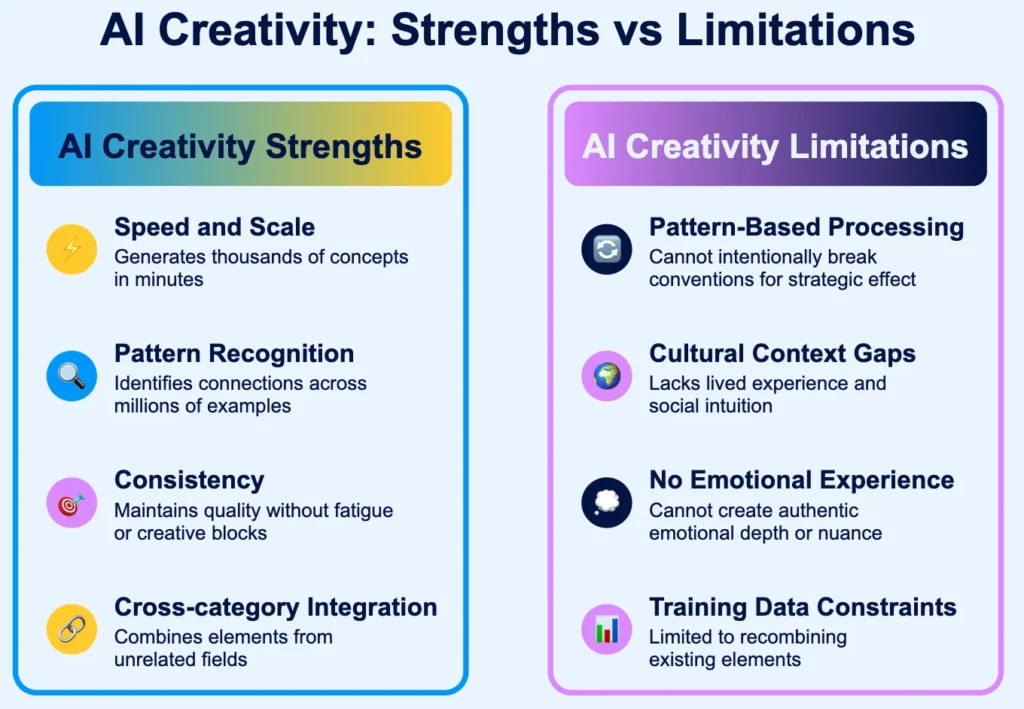
These roles require human
judgment in messy, real-world
situations—something AI still
cannot replicate.
The One Skill AI Cannot
Replace
Here’s the real takeaway.
It’s not about which job you have.
It’s about which skill you bring.
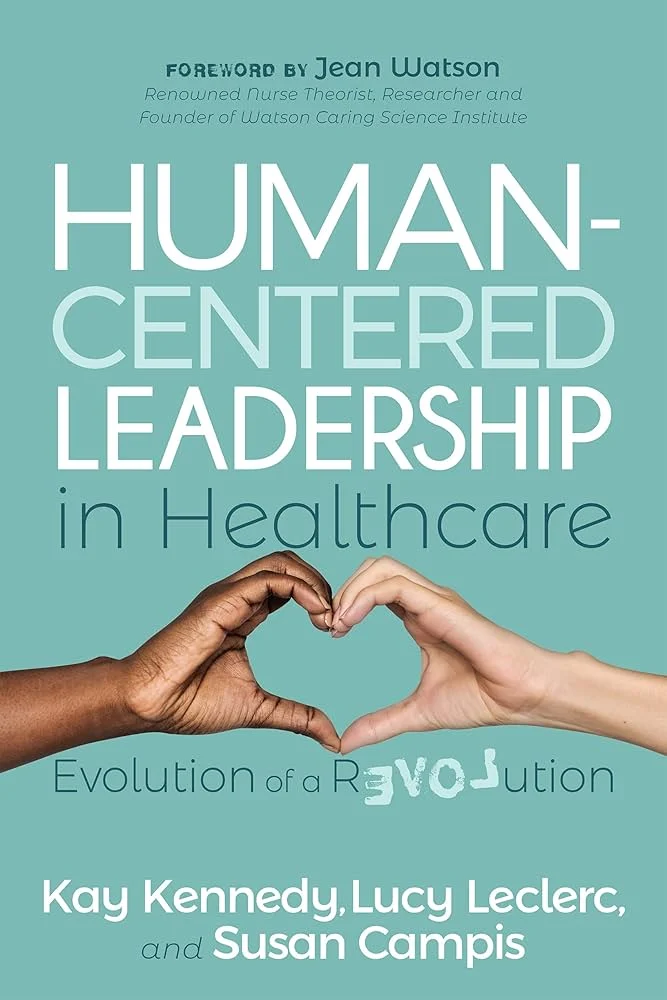
According to the World Economic
Forum, the most critical future-
proof skill is:
Complex problem-solving combined with human judgment
In practical terms, this means:
- Framing problems when the
answer is unclear - Making decisions with
incomplete information - Understanding human
motivations and trade-offs - Adapting when rules suddenly
change
AI can generate answers.
Humans decide which questions matter.
Why “Future-Proof
Careers” All Share the
Same Pattern
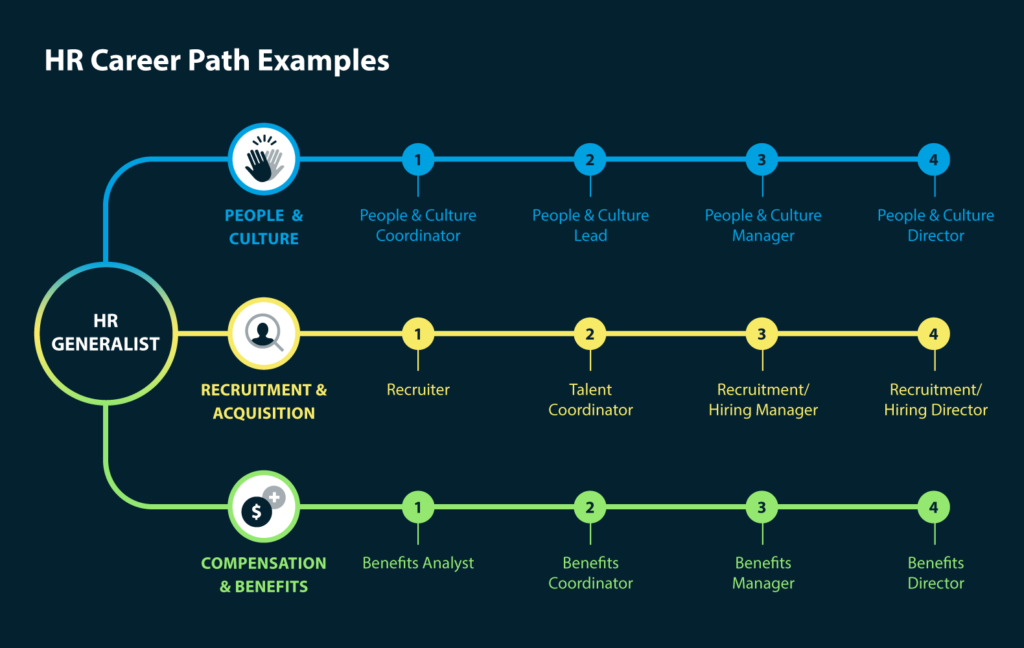
When researchers at Harvard
Business School analyzed career
resilience, they found a pattern:
Jobs that combine technical
literacy + human judgment are
the most stable long-term.
That’s why the fastest-growing
roles today include:
- AI project managers
- Product managers
- UX researchers
- Policy analysts
- Ethics and compliance
specialists
They don’t compete with AI.
They work around it, guide it,
and correct it.
Reskilling for the AI
Age: What Actually
Works
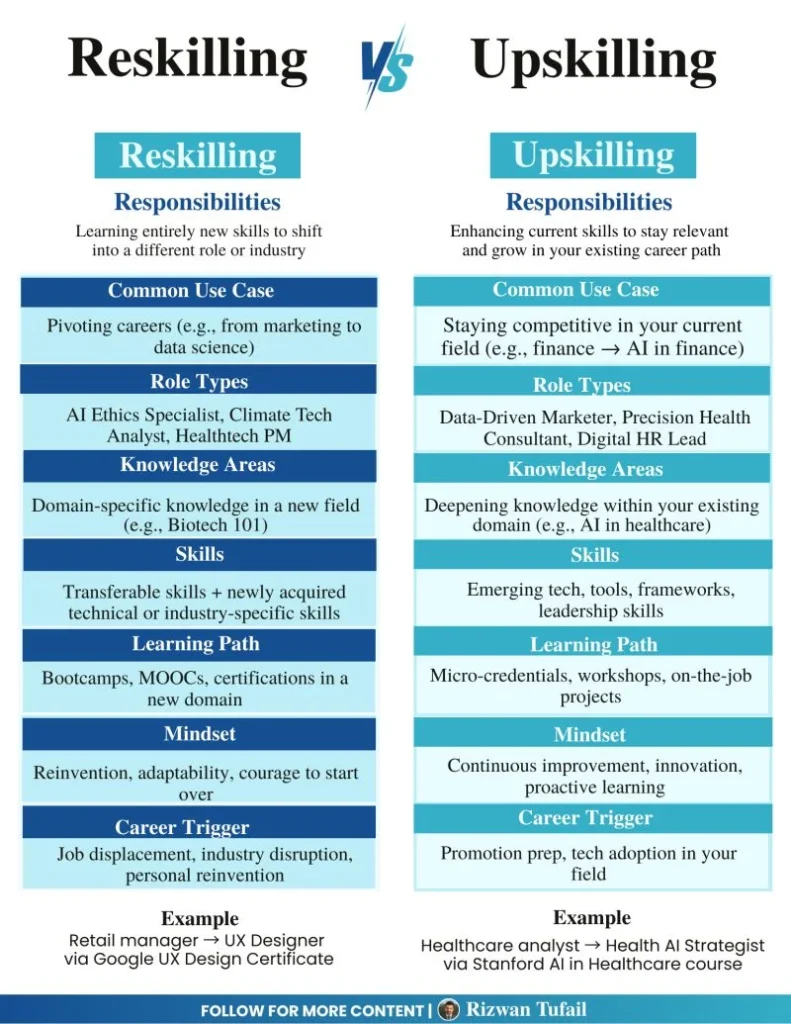
The idea of “learning to code” is
outdated advice.
According to OECD labor data,
successful reskilling focuses on:
- Domain expertise (healthcare,
finance, education, logistics) - Data literacy (not coding, but
interpretation) - Communication and decision-
making skills
Short-term certificates, online
programs, and targeted upskilling
now outperform traditional
degrees in many industries.
In other words:
You don’t need to become an AI
engineer.
You need to become AI-aware.
The Bottom Line
AI will replace jobs.
That part is inevitable.
But history shows something equally important:
Every major technological shift
rewards those who adapt early,
not those who deny reality.
The safest position in the AI era is
not resistance. It’s relevance.
And relevance comes from one thing only:
Skills that machines can support—but never fully replace.
This final clip is a simple reminder of what AI cannot replace. Created
using AI as a creative tool, it carries
a timeless human message.
Technology can amplify speed,
scale, and visuals—but meaning,
belief, and intention still begin with
humans.
AI can also bring human history back into the present.
This next clip uses AI to recreate the voice of a long-gone leader—not to rewrite history, but to let a timeless human message be heard again.
Sources & References
- World Economic Forum, Future of Jobs Report 2023
- Goldman Sachs Global Investment Research, The Potentially Large Effects of AI on Economic Growth
- McKinsey Global Institute, The Future of Work After COVID-19
- OECD Employment Outlook
- MIT CSAIL Research on AI and Automation
- Harvard Business School Working Papers on Career Resilience
- AlSabu Studio (R4VOO Studio),
AI–Human Co-Creation Projects and Independent Creative Case Studies
https://www.youtube.com/@R4VOO_Studio